Wednesday, August 26, 2020

Incredible Do Colleges Look At Unexcused Absences Ideas

Do Colleges Look at Attendance Records? College Jaguar
Do Colleges Look at Attendance Records? College Jaguar from collegejaguar.com

Are you worried about how your unexcused absences in college will affect your future? Do you wonder if colleges really look at unexcused absences when evaluating your application? In this article, we will explore the impact of unexcused absences on your college prospects and provide some tips on how to navigate this issue.

The Concerns Surrounding Unexcused Absences

Unexcused absences can be a source of anxiety for many college students. They may worry that these absences will reflect poorly on their academic performance and hinder their chances of getting into their dream college or securing a scholarship. Additionally, students may fear that unexcused absences will negatively impact their relationships with professors and peers, leading to missed opportunities for networking and recommendation letters.

Do Colleges Look at Unexcused Absences?

While it is true that colleges take various factors into consideration when evaluating applications, including attendance records, the weight given to unexcused absences can vary. Some colleges may consider unexcused absences as a reflection of a student's commitment and responsibility, while others may focus more on academic performance and extracurricular involvement. It is essential to research individual college policies and communicate any extenuating circumstances that may have contributed to your unexcused absences.

Key Points to Consider

When assessing the impact of unexcused absences on your college prospects, keep the following points in mind:

  • College admissions committees consider a holistic view of applicants, taking into account various aspects such as grades, test scores, essays, and extracurricular activities.
  • Unexcused absences alone are unlikely to make or break your college application.
  • It is crucial to provide context and explanations for any unexcused absences in your application materials.
  • Some colleges may offer opportunities to explain extenuating circumstances or provide additional information through supplemental essays or interviews.

Personal Experience with Unexcused Absences

During my time in college, I faced a challenging situation that resulted in a few unexcused absences. Despite my initial worries, I learned that open communication with professors and taking responsibility for my actions was key. By explaining the circumstances and showing my dedication to my studies through consistent performance, I was able to overcome any potential hurdles caused by those absences.

When it comes to unexcused absences, it is essential to address any concerns directly with the relevant parties and take steps to ensure academic success moving forward.

Understanding Unexcused Absences

Unexcused absences refer to instances where a student is absent from class without a valid excuse or prior approval from the professor. These absences are typically not covered by university policies and may result in academic penalties, such as grade deductions or missed opportunities for participation. It is crucial to familiarize yourself with your college's attendance policies and communicate any conflicts or extenuating circumstances with your professors.

While unexcused absences can have consequences, it is important to remember that they do not define your academic potential or future success. By maintaining open communication and taking proactive steps to address any issues that may arise, you can navigate this challenge effectively.

The History and Myth of Unexcused Absences

The concept of unexcused absences has been a part of educational systems for centuries. Historically, attendance has been seen as a measure of a student's dedication and discipline. However, the perception of unexcused absences has evolved over time, with a greater emphasis on individual circumstances and a student's overall academic performance.

It is essential to acknowledge that the myth of unexcused absences being an insurmountable obstacle in college admissions is just that—a myth. While unexcused absences should not be taken lightly, they are not necessarily a definitive factor in determining your college prospects. The focus should be on your academic achievements, extracurricular involvement, and personal growth.

The Hidden Secrets of Unexcused Absences

Unexcused absences can sometimes have unintended consequences beyond their impact on college applications. They can lead to missed class material, decreased engagement with coursework, and a disconnect from the learning community. Additionally, unexcused absences may strain relationships with professors and hinder opportunities for academic support and mentorship.

It is crucial to remember that attending classes and actively participating in the college experience can provide valuable learning opportunities and enhance your overall educational journey. By prioritizing attendance and engagement, you can make the most of your college experience and maximize your chances of success.

Recommendations for Dealing with Unexcused Absences

If you are facing unexcused absences or anticipate future challenges in this area, consider the following recommendations:

  • Communicate openly with your professors about any conflicts or extenuating circumstances that may lead to unexcused absences.
  • Take responsibility for your actions and demonstrate your commitment to your studies through consistent performance and active participation in class.
  • Seek academic support resources, such as tutoring or study groups, to stay on track with coursework even if you miss a class.
  • Develop effective time management and organization skills to minimize the likelihood of unexcused absences.

Exploring the Implications of Unexcused Absences

Unexcused absences can have both short-term and long-term implications. In the short term, they may result in missed class material and difficulty catching up on assignments. In the long term, unexcused absences without proper explanations may impact your relationships with professors, limit opportunities for recommendation letters, and hinder your chances of securing internships or research positions.

It is essential to address unexcused absences proactively and take steps to mitigate their potential negative effects. By demonstrating your dedication and commitment to your studies, you can overcome any challenges that arise from unexcused absences.

Tips for Managing Unexcused Absences

Here are some tips for effectively managing unexcused absences:

  • Prioritize attendance and participate actively in class discussions.
  • Establish open lines of communication with your professors and inform them of any conflicts or extenuating circumstances as early as possible.
  • Develop a support network of classmates who can provide notes and updates when you are unable to attend class.
  • Take advantage of online resources and learning platforms to access course material and stay engaged with the curriculum.

Exploring the Fun Facts of Unexcused Absences

Did you know that unexcused absences are referred to by different names in various educational systems worldwide? In some countries, they are called "unjustified absences" or "unauthorized absences." Additionally, research has shown that consistent attendance and active participation in class have a positive correlation with academic success and overall student well-being.

While unexcused absences should be avoided whenever possible, it is essential to approach this issue with a balanced perspective and focus on overall academic performance and personal growth.

How to Handle Unexcused Absences

To effectively handle unexcused absences, consider the following steps:

  • Take responsibility for your actions and acknowledge any negative impact caused by unexcused absences.
  • Engage in open and honest communication with your professors to address any concerns or conflicts.
  • Develop strategies to prevent future unexcused absences, such as improving time management skills and seeking support when needed.
  • Reflect on the lessons learned from unexcused absences and use them as an opportunity for personal growth and development.

What If You Have Unexcused Absences?

If you already have unexcused absences on your record, there are still steps you can take to mitigate their impact:

  • Focus on maintaining a strong academic performance in other areas to counterbalance the negative effect of unexcused absences.
  • Seek opportunities to demonstrate your commitment and dedication outside of the classroom, such as through community service or leadership roles.
  • Take advantage of any opportunities to explain the circumstances surrounding your unexcused absences in your college application materials.
  • Consider retaking classes or engaging in additional academic pursuits to showcase your growth and improvement.

The Listicle of Unexcused Absences

Here is a list of important points to remember about unexcused absences:

  1. Unexcused absences are not the sole determining factor in college admissions.
  2. Open communication and taking responsibility are key when dealing with unexcused absences.
  3. Context and explanations can help mitigate the impact of unexcused absences.
  4. Unexcused absences can have short-term and long-term implications beyond college admissions.
  5. Active engagement and participation in class can minimize the negative effects of unexcused absences.
  6. Unexcused absences are an opportunity for personal growth and development.
  7. Balance is essential when considering
Review Of What Colleges Have A Veterinary Program 2023

Top Veterinary Colleges in the World Leverage Edu
Top Veterinary Colleges in the World Leverage Edu from leverageedu.com

Are you passionate about animals and dream of becoming a veterinarian? If so, you may be wondering what colleges have a veterinary program. Choosing the right college is crucial for a successful career in veterinary medicine. In this article, we will explore the options available to aspiring veterinarians and provide valuable information about what colleges have a veterinary program.

One of the biggest challenges for students interested in pursuing a career in veterinary medicine is finding the right college that offers a veterinary program. It can be overwhelming to navigate through the numerous options and determine which colleges have a veterinary program that aligns with your goals and aspirations. Additionally, the competition for admission into veterinary programs can be fierce, making it even more crucial to choose the right college that can provide you with the necessary knowledge and experience to succeed in this field.

There are several colleges and universities across the United States that offer veterinary programs. Some of the top-ranked institutions include Cornell University, Colorado State University, University of California-Davis, and North Carolina State University. These colleges have highly esteemed veterinary programs that provide students with comprehensive education and hands-on training in animal health and medicine.

Personal Experience in Veterinary Program

When I was researching colleges with veterinary programs, I came across Colorado State University. I was immediately drawn to their program because of their reputation for excellence in veterinary education. I decided to visit the campus and was impressed by their state-of-the-art facilities and dedicated faculty. Throughout my time at Colorado State University, I had the opportunity to work with a variety of animals and gain valuable hands-on experience. The professors were incredibly knowledgeable and supportive, and I felt well-prepared for my career as a veterinarian upon graduation.

A veterinary program is a specialized educational program that prepares students for a career in veterinary medicine. It typically includes coursework in subjects such as anatomy, physiology, pharmacology, and surgery. Students also gain practical experience through clinical rotations and internships. Graduates of veterinary programs can pursue careers in private practice, research, academia, public health, and more.

History and Myth of Veterinary Program

The history of veterinary programs dates back to ancient times when animals played a vital role in agriculture and transportation. In ancient civilizations such as Egypt and Mesopotamia, there were individuals known as "veterinarians" who cared for the health and well-being of animals. Over time, the field of veterinary medicine evolved, and formal education programs were established to train aspiring veterinarians.

One common myth about veterinary programs is that they are only for individuals who want to work with domestic pets. While it is true that many veterinarians choose to work in private practice and focus on companion animals, veterinary programs also prepare students to work with a variety of animals, including livestock, exotic animals, and wildlife. Veterinary medicine encompasses a wide range of specialties and career paths, allowing students to pursue their specific interests within the field.

Hidden Secrets of Veterinary Program

One of the hidden secrets of veterinary programs is the strong sense of community and camaraderie among students and faculty. The veterinary field can be demanding and challenging, but the support system within veterinary programs is invaluable. Students often form lifelong friendships with their classmates and find mentorship from experienced faculty members. The sense of collaboration and support creates a positive learning environment and contributes to the overall success of students in veterinary programs.

Recommendations for Veterinary Program

If you're considering pursuing a career in veterinary medicine, it is important to carefully research and consider the colleges that offer veterinary programs. Here are a few recommendations to help you in your decision-making process:

  1. Research the reputation and ranking of the veterinary program. Look for programs that have a strong track record of producing successful veterinarians.
  2. Consider the location of the college and the opportunities available for hands-on experience. Look for colleges located in areas with a diverse range of animal populations and clinical opportunities.
  3. Explore the curriculum and course offerings of the veterinary program. Ensure that the program aligns with your interests and career goals.
  4. Connect with current students or alumni of the veterinary program to gain insight into their experiences and perspectives.

Conclusion

In conclusion, choosing the right college with a veterinary program is essential for aspiring veterinarians. There are many colleges and universities across the United States that offer veterinary programs, providing students with the knowledge and experience necessary for a successful career in veterinary medicine. By carefully researching and considering your options, you can find the perfect college that aligns with your goals and sets you on the path to a fulfilling career as a veterinarian.

Question and Answer

Q: What are the admission requirements for veterinary programs?

A: Admission requirements for veterinary programs vary depending on the college or university. Generally, applicants are required to have a bachelor's degree and complete specific prerequisite courses in biology, chemistry, physics, and mathematics. Additionally, most programs require applicants to take the Graduate Record Examination (GRE) and submit letters of recommendation and a personal statement.

Q: How long does it take to complete a veterinary program?

A: Veterinary programs typically take four years to complete. The first three years consist of coursework and hands-on training, while the final year is dedicated to clinical rotations and internships. After completing the veterinary program, graduates must pass the North American Veterinary Licensing Examination (NAVLE) to become licensed veterinarians.

Q: Can I specialize in a specific area of veterinary medicine?

A: Yes, after completing a veterinary program and obtaining a veterinary license, veterinarians can pursue further specialization in specific areas of veterinary medicine. This can include specialties such as internal medicine, surgery, dermatology, cardiology, and more. Specialization typically requires additional education, training, and certification.

Q: Are there scholarships available for veterinary students?

A: Yes, there are scholarships available for veterinary students. Many colleges and universities offer scholarships specifically for students pursuing a veterinary career. Additionally, there are external organizations and foundations that provide scholarships and grants to support veterinary education. It is recommended to research and apply for scholarships early in the application process.

Conclusion of What Colleges Have a Veterinary Program

Tuesday, August 25, 2020

+29 Can You Have An Iep In College Ideas

When the IEP Team Says, “We don’t see that here at school.” in 2020
When the IEP Team Says, “We don’t see that here at school.” in 2020 from www.pinterest.com

Are you wondering if you can have an IEP in college? You're not alone. Many students with disabilities have this same question as they transition from high school to higher education. In this article, we will explore the answer to this question and provide you with helpful information about navigating college with an IEP.

Transitioning to college can be a daunting experience for any student, but it can be especially challenging for those with disabilities. The fear of not having the same level of support and accommodations can create a lot of anxiety. Additionally, the lack of knowledge about the rights and resources available in college can be overwhelming. These pain points can make the prospect of pursuing higher education seem impossible for students with disabilities.

The answer to the question "can you have an IEP in college?" is yes. While the IEP system is primarily designed for K-12 education, there are still options and support available for students with disabilities in college. The process may look different, and the level of support may vary, but accommodations and services can still be provided to ensure equal access to education.

In summary, while the transition from high school to college may present unique challenges for students with disabilities, it is possible to have an IEP in college. Understanding your rights, advocating for yourself, and seeking out the resources available on campus can help ensure a successful college experience.

Can You Have an IEP in College: My Personal Experience

During my first year of college, I was diagnosed with a learning disability. I had an IEP throughout high school, and I was concerned about how I would continue to receive the support I needed in college. However, I quickly learned that college had its own system for providing accommodations.

Upon disclosing my disability to the disability services office, I was assigned a coordinator who helped me navigate the process. We discussed my needs and determined what accommodations would be appropriate for my classes. These accommodations included extended time on exams, note-taking assistance, and access to assistive technology.

Throughout my college years, I found that the support I received was invaluable. The accommodations allowed me to succeed academically and feel confident in my abilities. The disability services office also provided additional resources such as tutoring and study skills workshops, which further enhanced my college experience.

What is an IEP in College?

An Individualized Education Program (IEP) in college is a personalized plan developed for students with disabilities to ensure they have equal access to education. While the IEP system is primarily associated with K-12 education, college students can still receive accommodations and support through a different process.

In college, the process may involve working with the disability services office or a designated coordinator. The student and coordinator will collaborate to determine what accommodations and services are necessary to meet the student's individual needs. These accommodations can include things like extended time on exams, note-taking assistance, priority registration, and accessible course materials.

The goal of an IEP in college is to level the playing field and provide students with the support they need to succeed academically. It is important for students to understand their rights and advocate for themselves to ensure they receive the necessary accommodations.

The History and Myth of Having an IEP in College

Historically, the idea of having an IEP in college was not widely known or understood. Many individuals with disabilities faced significant barriers to accessing higher education. The lack of awareness and resources meant that students often had to navigate college without the necessary support.

However, over the years, there has been a growing recognition of the importance of providing equal access to education for students with disabilities. This recognition has led to the development of laws and policies that protect the rights of students with disabilities in college.

Despite this progress, there is still a myth that students with disabilities cannot have an IEP in college. This misconception may stem from a lack of knowledge about the accommodations and services available. It is important to dispel this myth and inform students that they can still receive support through the college's disability services office.

The Hidden Secret of Having an IEP in College

The hidden secret of having an IEP in college is that it can be a game-changer for students with disabilities. The accommodations and support provided through the IEP or disability services office can make a significant difference in a student's academic success and overall college experience.

One of the hidden secrets is the availability of assistive technology. Colleges often have resources such as screen readers, speech-to-text software, and note-taking apps, which can help students with disabilities overcome barriers and access information more easily.

Additionally, the disability services office can provide guidance and support beyond academic accommodations. They can connect students with disability-specific resources, support groups, and workshops to help them navigate college life successfully.

Recommendations for Having an IEP in College

1. Research your college's disability services office: Before starting college, familiarize yourself with the disability services office on campus. Understand their processes and requirements for receiving accommodations.

2. Disclose your disability: It is essential to disclose your disability to the disability services office. This will initiate the process of receiving accommodations and support.

3. Communicate your needs: Clearly communicate your needs and the accommodations you require. Provide any documentation or assessments that support your request.

4. Advocate for yourself: Be proactive in advocating for your rights and accommodations. If you encounter any challenges or issues, reach out to the disability services office for assistance.

5. Utilize available resources: Take advantage of the resources offered by the disability services office, such as tutoring, study skills workshops, and assistive technology.

Can You Have an IEP in College: Exploring the Process

The process of receiving an IEP or accommodations in college typically involves the following steps:

1. Disclosure: Disclose your disability to the disability services office or designated coordinator. Provide any documentation or assessments that support your request.

2. Needs assessment: Meet with the coordinator to discuss your needs and determine what accommodations are necessary. This may involve reviewing your medical or educational records.

3. Accommodation plan: Work with the coordinator to develop an accommodation plan that outlines the specific accommodations you will receive. This plan may need to be updated each semester or as your needs change.

4. Implementation: Once the accommodation plan is established, the disability services office will work with you and your professors to implement the accommodations. This may involve providing your professors with a letter outlining your accommodations.

5. Ongoing support: Throughout your college years, the disability services office will be available to provide ongoing support and address any concerns or issues that arise.

Tips for Having an IEP in College

1. Start early: Begin the process of disclosing your disability and requesting accommodations as soon as possible. This will allow sufficient time for the necessary evaluations and paperwork.

2. Be proactive: Take an active role in advocating for your accommodations. Communicate with your professors about your needs and follow up with the disability services office regularly.

3. Stay organized: Keep all documentation related to your disability and accommodations in a safe and easily accessible place. This includes medical records, evaluations, and accommodation letters.

4. Seek support: Connect with other students with disabilities on campus or join a support group. Sharing experiences and strategies can be helpful in navigating college with an IEP.

Conclusion of Can You Have an IEP in College

In conclusion, students with disabilities can have an IEP in college. While the process may differ from the K-12 system, accommodations and support are available through the college's disability services office. It is important for students to understand their rights, advocate for themselves, and utilize the resources available to ensure a successful college experience. With the right support, students with disabilities can thrive academically and achieve their goals.

The Best Can I Apply For Scholarships While In College 2023

Find out how you can apply for hundreds of scholarships with just one
Find out how you can apply for hundreds of scholarships with just one from www.pinterest.com

Are you currently enrolled in college and wondering if you can still apply for scholarships? Well, you're not alone. Many students are unsure if they can continue to receive financial aid while in college. The good news is that yes, you can still apply for scholarships even if you're already in college. In fact, there are numerous scholarships available specifically for current college students. So, don't miss out on the opportunity to receive additional funding for your education.

One of the main concerns for students in college is the cost of tuition and the financial burden it can place on them and their families. Applying for scholarships while in college can help alleviate some of this financial stress. Scholarships provide funding that does not need to be repaid, making them an ideal form of financial aid. Additionally, scholarships can be used for various expenses, including tuition, books, housing, and other educational costs. By applying for scholarships, you can reduce your out-of-pocket expenses and potentially graduate with less student loan debt.

The process of applying for scholarships while in college is similar to applying for scholarships as a high school student. You will need to research and identify scholarships that you are eligible for, gather the necessary documents and information, and submit your application before the deadline. It's important to note that some scholarships may have specific requirements, such as a minimum GPA or major-related criteria. Therefore, it's crucial to carefully read the scholarship guidelines and ensure that you meet all the eligibility criteria before applying.

Applying for Scholarships While in College: Personal Experience

During my sophomore year of college, I decided to apply for scholarships to help cover my expenses. I was worried about the rising cost of tuition and the impact it would have on my student loans. Through my research, I discovered several scholarships that were open to current college students. I carefully reviewed the requirements and gathered all the necessary documents, including my transcripts, letters of recommendation, and personal statements. I spent a significant amount of time crafting my essays and ensuring that my applications were polished and professional. In the end, my efforts paid off, and I was awarded several scholarships that helped reduce my financial burden. Applying for scholarships while in college was definitely worth the time and effort.

What is Applying for Scholarships While in College?

Applying for scholarships while in college refers to the process of seeking and applying for financial aid opportunities after enrolling in a higher education institution. These scholarships are specifically designed for current college students and provide additional funding to help cover educational expenses. Scholarships can be merit-based, need-based, or awarded based on specific criteria, such as major or extracurricular involvement. By applying for scholarships while in college, students can access additional financial support and reduce their out-of-pocket expenses.

The History and Myth of Applying for Scholarships While in College

There is no specific historical background or myth associated with applying for scholarships while in college. However, there used to be a misconception that scholarships were only available to high school students or incoming freshmen. This myth has been debunked, and it is now widely known that current college students can also apply for scholarships. The availability of scholarships for college students has increased in recent years, with various organizations, foundations, and institutions offering financial aid opportunities specifically for those already enrolled in college.

The Hidden Secret of Applying for Scholarships While in College

The hidden secret of applying for scholarships while in college is that many students don't take advantage of this opportunity. They assume that scholarships are only available to incoming freshmen or high achievers. However, there are numerous scholarships specifically for current college students that often have less competition. By actively searching for and applying to these scholarships, you can increase your chances of receiving financial aid. The key is to stay informed about scholarship opportunities, carefully review the eligibility criteria, and submit well-prepared applications.

Recommendation: Applying for Scholarships While in College

If you're currently in college, I highly recommend applying for scholarships to supplement your financial aid package. Scholarships can provide additional funding that can significantly reduce your out-of-pocket expenses and student loan debt. Take the time to research and identify scholarships that you are eligible for, gather all the necessary documents, and submit your applications before the deadlines. Don't miss out on the opportunity to receive financial support for your education.

Applying for Scholarships While in College: Explained in Detail

Applying for scholarships while in college is a straightforward process, but it requires careful planning and organization. Here are the steps to follow:

  1. Research and identify scholarships: Start by researching scholarships that are specifically available to current college students. There are various online scholarship search engines and databases that can help you find relevant opportunities. Additionally, check with your college's financial aid office for any institutional scholarships.
  2. Review eligibility criteria: Once you have a list of potential scholarships, carefully review the eligibility criteria for each one. Pay attention to any specific requirements, such as GPA, major, or extracurricular involvement. Eliminate any scholarships for which you do not meet the criteria.
  3. Gather necessary documents: For each scholarship you plan to apply for, gather all the necessary documents and information. This may include transcripts, letters of recommendation, personal statements, and proof of enrollment. Make sure to follow the guidelines provided by each scholarship.
  4. Prepare your application: Take the time to prepare your application materials carefully. Craft well-written essays and personal statements that highlight your achievements, goals, and why you deserve the scholarship. Make sure to proofread your application for any errors or typos.
  5. Submit your application: Before submitting your application, double-check that you have included all the required documents and that everything is complete. Submit your application before the deadline, either online or by mail, depending on the scholarship requirements.
  6. Follow up: After submitting your application, it's a good idea to follow up with the scholarship provider to ensure that they received your application. Some scholarships may also require additional steps, such as interviews or additional documentation.
  7. Repeat the process: Even if you receive scholarships, continue to search and apply for additional opportunities. Scholarships are not a one-time thing, and there may be new scholarships available each year or semester.

What If You Don't Apply for Scholarships While in College?

If you choose not to apply for scholarships while in college, you may be missing out on valuable financial support. Scholarships can significantly reduce your out-of-pocket expenses and student loan debt. Without scholarships, you may have to rely solely on student loans, which can have long-term financial implications. Additionally, scholarships can provide recognition for your achievements and help you stand out when applying for jobs or graduate school. Therefore, it is highly recommended to explore and apply for scholarships while in college.

Listicle: Applying for Scholarships While in College

Here are five important things to know about applying for scholarships while in college:

  1. There are scholarships specifically for current college students.
  2. Scholarships can help reduce your out-of-pocket expenses and student loan debt.
  3. Research and carefully review the eligibility criteria for each scholarship.
  4. Prepare your application materials carefully, including well-written essays and personal statements.
  5. Follow up with scholarship providers and continue to search for new opportunities.

Question and Answer

Q: Can I apply for scholarships if I am already receiving financial aid?

A: Yes, you can still apply for scholarships even if you are already receiving financial aid. Scholarships are a form of additional funding that can supplement your current financial aid package.

Q: Are scholarships only available to high school students?

A: No, scholarships are available to students of all levels, including current college students. There are numerous scholarships specifically designed for those already enrolled in college.

Q: Do I need to have a high GPA to be eligible for scholarships?

A: While some scholarships may require a minimum GPA, not all scholarships have this requirement. There are scholarships available for students with various academic achievements, talents, and backgrounds. It's important to carefully review the eligibility criteria for each scholarship.

Q: Can I apply for scholarships if I am an international student?

A: Yes, there are scholarships available for international students. However, the eligibility criteria may vary, and some scholarships may be restricted to U.S. citizens or permanent residents. It's important to carefully review the requirements for each scholarship.

Conclusion of Applying for Scholarships While in College

In conclusion, applying for scholarships while in college is a smart financial decision that can help reduce the burden of educational expenses. Scholarships are available specifically for current college students and provide additional funding that does not need to be repaid. By researching and applying for scholarships, you can access financial aid opportunities that can significantly reduce your out-of-pocket costs and student loan debt. Don't miss out on the chance to receive additional support for your education.

Monday, August 24, 2020

Review Of How To Start A Career In Sustainability Ideas

Businessman ready to run and start career 692471 Vector Art at Vecteezy
Businessman ready to run and start career 692471 Vector Art at Vecteezy from www.vecteezy.com

Are you passionate about making a positive impact on the environment? Do you want to contribute to a more sustainable future? Starting a career in sustainability may be the perfect path for you. In this article, we will explore how to start a career in sustainability, including the pain points, steps to take, and tips for success.

Pain Points of Starting a Career in Sustainability

Starting a career in sustainability can seem daunting for many individuals. Some common pain points include not knowing where to begin, feeling overwhelmed by the complexity of environmental issues, and lacking the necessary knowledge and skills. Additionally, there may be concerns about the availability of job opportunities and the potential for financial stability in this field.

Steps to Start a Career in Sustainability

While the path to a career in sustainability may vary depending on individual interests and goals, there are some general steps to consider. Firstly, it is essential to gain a solid understanding of sustainability concepts and environmental issues. This can be done through formal education, such as pursuing a degree in environmental science or sustainability studies, or through self-study and online courses.

Next, it is crucial to gain practical experience in the field. This can be done through internships, volunteer work, or joining sustainability-focused organizations. These opportunities allow individuals to apply their knowledge, develop skills, and build a network of professionals in the industry.

Networking is another crucial aspect of starting a career in sustainability. Attending industry events, joining professional associations, and connecting with like-minded individuals can provide valuable insights, mentorship, and job opportunities.

Furthermore, it is essential to stay updated on current trends and developments in sustainability. This can be done through reading industry publications, following thought leaders and experts on social media, and attending conferences and workshops.

Summary of How to Start a Career in Sustainability

In summary, starting a career in sustainability requires a combination of knowledge, practical experience, networking, and staying updated on industry trends. While the journey may have its challenges, the rewards of making a positive impact on the environment and contributing to a more sustainable future are worth it.

Personal Experience in Starting a Career in Sustainability

When I first decided to pursue a career in sustainability, I was unsure of where to start. I began by researching and educating myself on environmental issues, attending webinars and workshops, and connecting with professionals in the field. Through internships and volunteer work, I gained hands-on experience and developed practical skills. Networking played a significant role in opening doors to job opportunities and mentorship. Today, I am proud to be working in a role that allows me to make a difference and contribute to building a more sustainable world.

Starting a career in sustainability involves understanding the concepts and challenges related to environmental sustainability. It is the practice of creating and maintaining practices and systems that support ecological balance and address environmental concerns. This can include areas such as renewable energy, waste management, conservation, and sustainable agriculture.

One of the key aspects of starting a career in sustainability is to develop a strong foundation of knowledge in environmental science and sustainability principles. This can be done through pursuing a degree in environmental science, sustainability studies, or related fields. Additionally, individuals can also take advantage of online courses, workshops, and seminars to enhance their understanding of sustainability concepts.

Once individuals have gained a solid understanding of sustainability, it is crucial to gain practical experience in the field. This can be done through internships, volunteer work, or joining sustainability-focused organizations. These opportunities allow individuals to apply their knowledge in real-world situations, develop practical skills, and build a network of professionals in the industry.

History and Myth of Starting a Career in Sustainability

The history of sustainability dates back to the early 20th century when environmentalists and conservationists started advocating for the protection of natural resources and the preservation of ecosystems. Over the years, sustainability has gained recognition as a crucial discipline in addressing global environmental challenges.

However, there are some myths surrounding starting a career in sustainability. One common myth is that sustainability jobs are limited and do not offer financial stability. While it is true that the sustainability field is relatively new, the demand for sustainability professionals is growing rapidly. Many organizations are now prioritizing sustainability and incorporating it into their business strategies.

Another myth is that starting a career in sustainability requires a specific educational background. While a degree in environmental science or sustainability studies can be beneficial, individuals from various disciplines can contribute to sustainability efforts. Skills such as critical thinking, problem-solving, and communication are highly valued in the sustainability field.

The Hidden Secret of Starting a Career in Sustainability

The hidden secret to starting a successful career in sustainability lies in the power of collaboration and interdisciplinary approaches. Sustainability issues are complex and interconnected, requiring input and expertise from various fields and disciplines. By working together and fostering collaboration, individuals can create innovative solutions and drive meaningful change.

Additionally, embracing a lifelong learning mindset is essential in the sustainability field. As technologies and best practices evolve, it is crucial to stay updated and continuously enhance skills and knowledge. This can be done through attending workshops, conferences, and pursuing professional certifications.

Recommendations for Starting a Career in Sustainability

Based on my experience and observations, here are some recommendations for starting a career in sustainability:

  1. Gain a solid foundation of knowledge in environmental science and sustainability principles.
  2. Seek practical experience through internships, volunteer work, or joining sustainability-focused organizations.
  3. Network with professionals in the field and attend industry events.
  4. Stay updated on current trends and developments in sustainability through reading industry publications and following thought leaders.

Exploring the Field of Sustainability

The field of sustainability is vast and offers a wide range of career opportunities. Some common areas of focus include renewable energy, sustainable transportation, green building, waste management, and sustainable agriculture. Within each of these areas, there are various roles and positions, including policy analysts, sustainability consultants, environmental scientists, and project managers.

Tips for Starting a Career in Sustainability

Here are some tips to help you kickstart your career in sustainability:

  1. Identify your passion and interests within the sustainability field.
  2. Gain relevant education and knowledge through formal education or online courses.
  3. Seek practical experience through internships, volunteer work, or joining sustainability-focused organizations.
  4. Network with professionals in the field and attend industry events.
  5. Stay updated on current trends and developments in sustainability.
  6. Embrace a collaborative mindset and seek interdisciplinary approaches.
  7. Continuously enhance your skills and knowledge through lifelong learning.

Conclusion of How to Start a Career in Sustainability

Starting a career in sustainability is an exciting journey that allows individuals to make a positive impact on the environment. By gaining knowledge, practical experience, and networking with professionals in the field, individuals can pave the way for a successful and fulfilling career in sustainability. Remember, the key is to stay passionate, stay informed, and stay committed to creating a more sustainable future.

The Best Is Astronomy A Career Ideas

Astronomy Alfred University
Astronomy Alfred University from www.alfred.edu

Have you ever looked up at the night sky and wondered about the mysteries of the universe? Do you find yourself captivated by the beauty and wonder of the stars? If so, you may be wondering if astronomy is a career worth pursuing. In this article, we will explore the world of astronomy and answer the question, "Is astronomy a career?"

Many people are drawn to the study of astronomy because of their natural curiosity and awe of the universe. However, there are also practical considerations to take into account. One of the main pain points of pursuing a career in astronomy is the highly competitive nature of the field. There are a limited number of positions available, and the path to becoming a professional astronomer can be long and challenging.

Despite the challenges, for those who are truly passionate about astronomy, it can be a rewarding and fulfilling career. Astronomers have the opportunity to contribute to our understanding of the universe, make groundbreaking discoveries, and inspire future generations of scientists. They also have the chance to work with advanced technology and collaborate with other experts in the field.

In conclusion, while pursuing a career in astronomy may be challenging, it can also be incredibly rewarding for those with a genuine passion for the subject. If you are willing to put in the hard work and dedication, astronomy can offer a world of exciting opportunities.

Is Astronomy a Career: Exploring the Possibilities

When I was a child, I would spend hours gazing up at the night sky, wondering about the stars and planets that twinkled above me. That sense of wonder never left me, and as I got older, I became more and more interested in astronomy. I decided to pursue a career in the field, and it has been one of the best decisions I have ever made.

Astronomy is the study of celestial objects, such as stars, planets, galaxies, and comets. It involves observing these objects, collecting data, and analyzing it to gain a better understanding of the universe. Astronomers use a variety of tools and techniques, including telescopes, spectrographs, and computer simulations, to explore the cosmos.

One of the most exciting aspects of a career in astronomy is the opportunity to make new discoveries. Astronomers are constantly pushing the boundaries of our knowledge, uncovering new planets, galaxies, and even entire systems. They are also involved in studying cosmic phenomena, such as black holes, supernovae, and dark matter. The possibilities for exploration and discovery are truly endless.

However, pursuing a career in astronomy is not without its challenges. The field is highly competitive, and there are a limited number of positions available. Many astronomers spend years working towards their PhDs and completing postdoctoral research before securing a permanent position. It requires a lot of hard work, dedication, and perseverance.

Despite these challenges, for those who are truly passionate about astronomy, the rewards are well worth it. Not only do astronomers have the opportunity to contribute to our understanding of the universe, but they also get to work with cutting-edge technology and collaborate with other experts in the field. They can make a real impact on the scientific community and inspire future generations of scientists.

In conclusion, a career in astronomy is a dream come true for those who are fascinated by the mysteries of the universe. It offers the opportunity for exploration, discovery, and collaboration. While the path may be challenging, the rewards are immeasurable. So if you find yourself gazing up at the night sky with wonder, don't hesitate to consider a career in astronomy. The stars are waiting for you.

The History and Myth of Astronomy

Astronomy has a long and fascinating history that stretches back thousands of years. In ancient times, people looked up at the night sky and saw patterns in the stars. They used these patterns to navigate, tell time, and even predict the future. Astronomy played a central role in many ancient civilizations, including the Egyptians, Greeks, and Mayans.

One of the most famous ancient astronomers was Claudius Ptolemy, who lived in the 2nd century AD. He developed a geocentric model of the universe, which placed the Earth at the center and the planets and stars in orbit around it. This model was widely accepted for over a thousand years, until the heliocentric model proposed by Nicolaus Copernicus in the 16th century.

Throughout history, astronomy has also been intertwined with mythology and religion. Many ancient cultures believed that the stars and planets were gods or divine beings. They saw the movements of the celestial bodies as messages from the gods, and they used astrology to interpret these messages and make predictions about the future.

Today, astronomy is a scientific discipline that is grounded in observation and data. The myths and legends of the past have given way to a more objective and evidence-based approach. Astronomers use telescopes and other instruments to study celestial objects and collect data. They then use this data to develop theories and models that help explain the workings of the universe.

In conclusion, the history and myth of astronomy are deeply intertwined. From the ancient civilizations who used the stars to navigate and predict the future, to the modern astronomers who study the universe using advanced technology, astronomy has always been a source of wonder and fascination.

The Hidden Secrets of Astronomy

Astronomy is a field that is full of hidden secrets and mysteries. From the existence of black holes to the nature of dark matter, there are still many unanswered questions about the universe. Astronomers are constantly working to uncover these secrets and expand our understanding of the cosmos.

One of the most intriguing secrets of astronomy is the existence of black holes. These are regions in space where gravity is so strong that nothing, not even light, can escape. Black holes are created when massive stars collapse under their own gravity, forming an incredibly dense and compact object. They have a gravitational pull so powerful that they can even distort the fabric of space and time.

Another mystery of astronomy is the nature of dark matter. Dark matter is a form of matter that does not interact with light or other forms of electromagnetic radiation. It is invisible and cannot be directly observed, but its presence can be inferred through its gravitational effects on visible matter. Scientists estimate that dark matter makes up about 27% of the universe, but its exact nature is still unknown.

These are just a few examples of the hidden secrets of astronomy. There are many more mysteries waiting to be uncovered, and astronomers are at the forefront of this exploration. They use a variety of tools and techniques, including telescopes, satellites, and computer simulations, to study the universe and search for answers to these questions.

In conclusion, the field of astronomy is full of hidden secrets and mysteries. From black holes to dark matter, there is still much that we don't know about the universe. Astronomers are dedicated to uncovering these secrets and expanding our understanding of the cosmos.

Recommendations for Pursuing a Career in Astronomy

If you are considering a career in astronomy, there are several recommendations that can help you on your journey. Here are a few tips to get you started:

  1. Gain a strong foundation in math and physics. Astronomy is a highly mathematical and physics-based field, so it's important to have a solid understanding of these subjects. Take advanced math and physics courses in high school and college to build a strong foundation.
  2. Get hands-on experience. Try to participate in research projects or internships that allow you to gain practical experience in astronomy. This will not only give you valuable skills and knowledge, but it will also help you make connections in the field.
  3. Stay up-to-date with the latest research. Read scientific journals, attend conferences, and follow the work of leading astronomers to stay informed about the latest discoveries and advancements in the field.
  4. Consider pursuing a graduate degree. While not required for all positions in astronomy, a graduate degree can greatly enhance your career prospects and open up more opportunities for research and advancement.

By following these recommendations, you can set yourself on a path towards a successful career in astronomy. Remember to stay curious, work hard, and never stop learning. The universe is waiting to be explored!

Exploring the Universe: A Deeper Look into Astronomy

Astronomy is a vast and fascinating field that encompasses the study of everything from distant galaxies to the smallest particles of matter. It is a branch of science that seeks to understand the nature and origins of the universe, as well as our place within it.

At its core, astronomy is the study of celestial objects and the phenomena that occur within the universe. Astronomers use a variety of tools and techniques to observe and analyze these objects, including telescopes, spectrographs, and computer simulations.

One of the main areas of focus in astronomy is the study of stars. Stars are massive balls of hot, glowing gas that produce light and heat through nuclear fusion. Astronomers study stars to learn more about their life cycles, compositions, and interactions with other celestial objects.

Astronomers also study planets, including our own Earth. They use telescopes and spacecraft to observe planets and gather data about their atmospheres, geology, and potential for supporting life. This field of study, known as planetary science, has led to many exciting discoveries, such as the presence of water on Mars and the existence of exoplanets outside of our solar system.

In addition to stars and planets, astronomers also study galaxies, which are vast collections of stars, gas, and dust bound together by gravity

Sunday, August 23, 2020

Cool Thule Canoe Carrier 579 Ideas

Thule™ Roof Racks, Cargo Boxes, Sport & Bike Carriers
Thule™ Roof Racks, Cargo Boxes, Sport & Bike Carriers from www.carid.com

Are you an avid outdoors enthusiast who loves spending time on the water? If so, then the Thule Canoe Carrier 579 is a must-have accessory for you. This innovative and reliable canoe carrier is designed to make transporting your canoe easier and more convenient than ever before. With its sturdy construction and user-friendly design, the Thule Canoe Carrier 579 is the perfect solution to all of your canoe transportation needs.

Transporting a canoe can be a challenging task, especially if you don't have the right equipment. Carrying a heavy canoe on your own can lead to back strain and other injuries. Additionally, securing a canoe to the roof of your vehicle can be time-consuming and frustrating. That's where the Thule Canoe Carrier 579 comes in. This carrier is specifically designed to make it easier to transport your canoe safely and securely.

The Thule Canoe Carrier 579 is designed to fit a wide range of vehicles, including sedans, SUVs, and trucks. It features adjustable straps and padded arms to ensure a secure and stable fit for your canoe. The carrier also includes built-in tie-downs and a ratcheting system to make securing your canoe quick and easy. With the Thule Canoe Carrier 579, you can spend less time worrying about transportation and more time enjoying your outdoor adventures.

In conclusion, the Thule Canoe Carrier 579 is a must-have accessory for any canoe enthusiast. Its sturdy construction, user-friendly design, and secure fit make it the perfect solution for transporting your canoe. Say goodbye to the hassle of transporting your canoe and hello to more time spent on the water. Invest in the Thule Canoe Carrier 579 today and experience the convenience and ease of transporting your canoe.

Thule Canoe Carrier 579: The Perfect Solution for Canoe Transportation

As an avid canoe enthusiast, I have always struggled with the challenges of transporting my canoe. Carrying a heavy canoe on my own was not only physically demanding but also put my vehicle at risk of damage. I also had to deal with the frustration of securing the canoe to the roof of my vehicle, often spending more time on this task than actually enjoying my time on the water.

That's when I discovered the Thule Canoe Carrier 579. This innovative accessory has completely transformed the way I transport my canoe. The carrier's adjustable straps and padded arms provide a secure and stable fit for my canoe, allowing me to transport it with ease. The built-in tie-downs and ratcheting system make securing my canoe quick and hassle-free.

Not only does the Thule Canoe Carrier 579 make transporting my canoe easier, but it also gives me peace of mind knowing that my canoe is secure and protected during transit. The carrier's sturdy construction and durable materials ensure that my canoe is well-protected from any potential damage. I can now focus on enjoying my time on the water without worrying about the safety of my canoe.

In addition to its practical benefits, the Thule Canoe Carrier 579 also has a sleek and stylish design. It seamlessly blends in with the overall aesthetics of my vehicle, adding a touch of sophistication to my outdoor adventures. Whether I'm heading to a nearby lake or embarking on a cross-country canoe trip, the Thule Canoe Carrier 579 is always my go-to accessory for transporting my canoe.

In conclusion, the Thule Canoe Carrier 579 is a game-changer for any canoe enthusiast. Its easy-to-use design, secure fit, and stylish appearance make it the perfect solution for transporting your canoe. Don't let the challenges of canoe transportation hold you back from enjoying your outdoor adventures. Invest in the Thule Canoe Carrier 579 today and experience the convenience and peace of mind it provides.

Thule Canoe Carrier 579: Secure and Stylish Transportation

When it comes to transporting your canoe, you want a carrier that is not only secure but also stylish. The Thule Canoe Carrier 579 checks all the boxes, providing a secure and stylish solution for transporting your canoe.

The Thule Canoe Carrier 579 features adjustable straps and padded arms that provide a secure and stable fit for your canoe. This ensures that your canoe stays in place during transit, even on rough roads or at high speeds. The carrier also includes built-in tie-downs and a ratcheting system, making it quick and easy to secure your canoe to your vehicle.

In addition to its practical features, the Thule Canoe Carrier 579 also has a sleek and stylish design. Its black finish and streamlined shape seamlessly blend in with the overall aesthetics of your vehicle, adding a touch of sophistication to your outdoor adventures. You'll feel confident and stylish as you hit the road with your canoe securely strapped to your vehicle.

Whether you're heading to a local lake for a day of canoeing or embarking on a cross-country adventure, the Thule Canoe Carrier 579 is the perfect accessory for transporting your canoe. Its secure and stylish design will give you peace of mind and make you the envy of other outdoor enthusiasts.

Invest in the Thule Canoe Carrier 579 today and experience the convenience, security, and style it provides. Don't let the challenges of canoe transportation hold you back from enjoying your time on the water.

Thule Canoe Carrier 579: The Perfect Accessory for Your Outdoor Adventures

As an outdoor enthusiast, I'm always looking for ways to make my adventures more convenient and enjoyable. That's why I was thrilled when I discovered the Thule Canoe Carrier 579. This innovative accessory has become an essential part of my outdoor gear, making it easier than ever to transport my canoe and enjoy my time on the water.

The Thule Canoe Carrier 579 is specifically designed to securely and conveniently transport your canoe. Its adjustable straps and padded arms ensure a stable and secure fit for your canoe, so you can travel with peace of mind. The carrier also includes built-in tie-downs and a ratcheting system, making it quick and easy to secure your canoe to your vehicle.

Not only does the Thule Canoe Carrier 579 make transporting your canoe easier, but it also protects your vehicle from any potential damage. Its sturdy construction and durable materials ensure that your canoe is safe and secure during transit. Say goodbye to scratches, dents, and other damage caused by improperly secured canoes.

Whether you're planning a day trip to a nearby lake or embarking on a multi-day canoeing adventure, the Thule Canoe Carrier 579 is the perfect accessory to enhance your outdoor experience. Its convenience, security, and durability will make your canoe transportation a breeze so you can focus on what you love most - enjoying your time on the water.

Thule Canoe Carrier 579: The Solution to Your Canoe Transportation Needs

When it comes to transporting your canoe, the Thule Canoe Carrier 579 is the ultimate solution. Its secure and convenient design ensures that your canoe stays in place during transit, while its durable construction protects your vehicle from damage. Say goodbye to the hassle and frustration of transporting your canoe and hello to more enjoyable and convenient outdoor adventures.

Tips for Using the Thule Canoe Carrier 579

Using the Thule Canoe Carrier 579 is quick and easy, but there are a few tips to keep in mind to ensure a smooth and hassle-free experience. Here are some tips for using the Thule Canoe Carrier 579:

  1. Before installing the carrier, make sure your vehicle's roof rack is properly installed and secure.
  2. Measure your canoe to ensure it will fit securely on the carrier. The Thule Canoe Carrier 579 is designed to fit most canoes, but it's always a good idea to double-check the measurements.
  3. When securing your canoe to the carrier, make sure the straps are tight and secure. This will prevent your canoe from shifting during transit.
  4. Before hitting the road, give the straps and tie-downs one final check to ensure they are still tight and secure.

Following these tips will help ensure a safe and hassle-free experience when using the Thule Canoe Carrier 579. Now, you can confidently transport your canoe and enjoy your time on the water without any worries.

Conclusion of Thule Canoe Carrier 579

The Thule Canoe Carrier 579 is the perfect solution for all of your canoe transportation needs. Its secure and stylish design, along with its durability and convenience, make it the ultimate accessory for any outdoor enthusiast. Invest in the Thule Canoe Carrier 579 today and experience the ease and convenience of transporting your canoe. Say goodbye to the challenges of canoe transportation and hello to more enjoyable and hassle-free outdoor adventures.

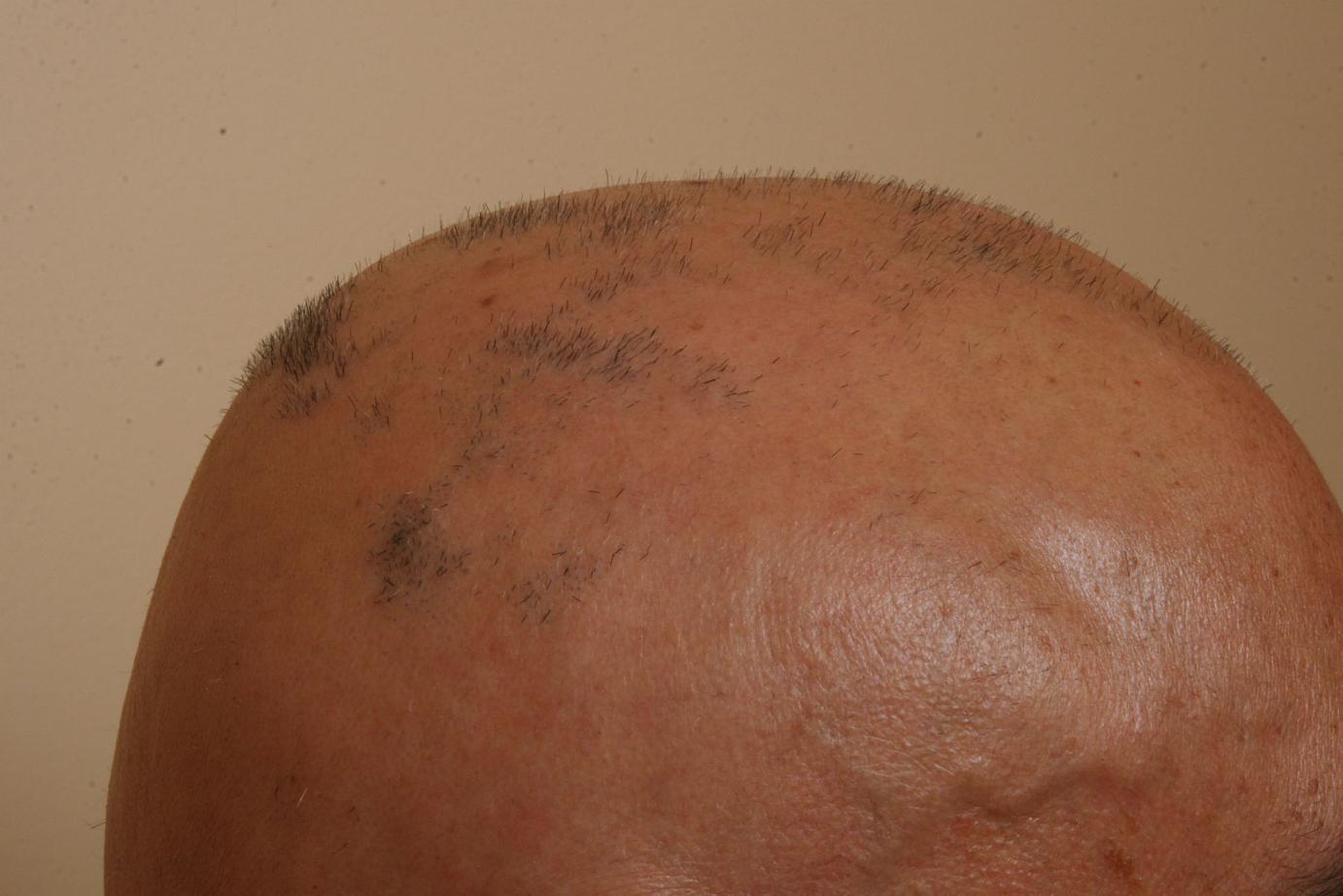
PRP for Hair Loss California Dermatology Specialists

Table Of Content Dr. Neil Ford Jones, MD Dr. Daniel George Arkfeld, MD The Premier Place for Hair Transplants Patient Reviews Find your care...